When the power fails during a fire, emergency lighting is what turns a corridor into an escape route. It is also the most commonly neglected life-safety system we find, because it sits quietly in the ceiling until the day it is needed. We design, install and test emergency lighting to BS 5266-1, from a single shop to housing estates with hundreds of blocks.
Design and installation
- Escape route lighting to BS EN 1838: minimum 1 lux on the centre line, with luminaires at every change of direction, level, exit door and fire-fighting point.
- Open area (anti-panic) lighting and high-risk task area lighting.
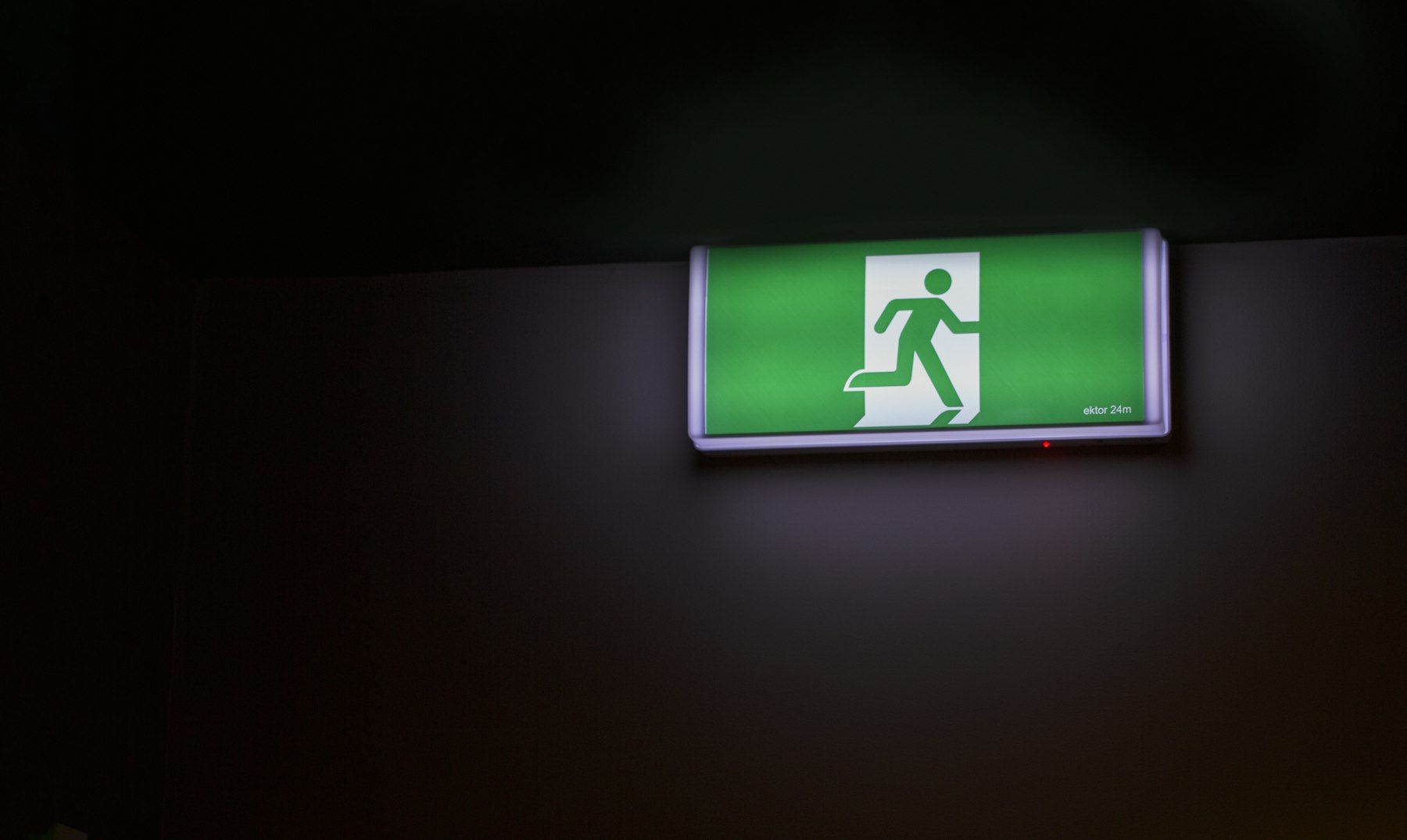
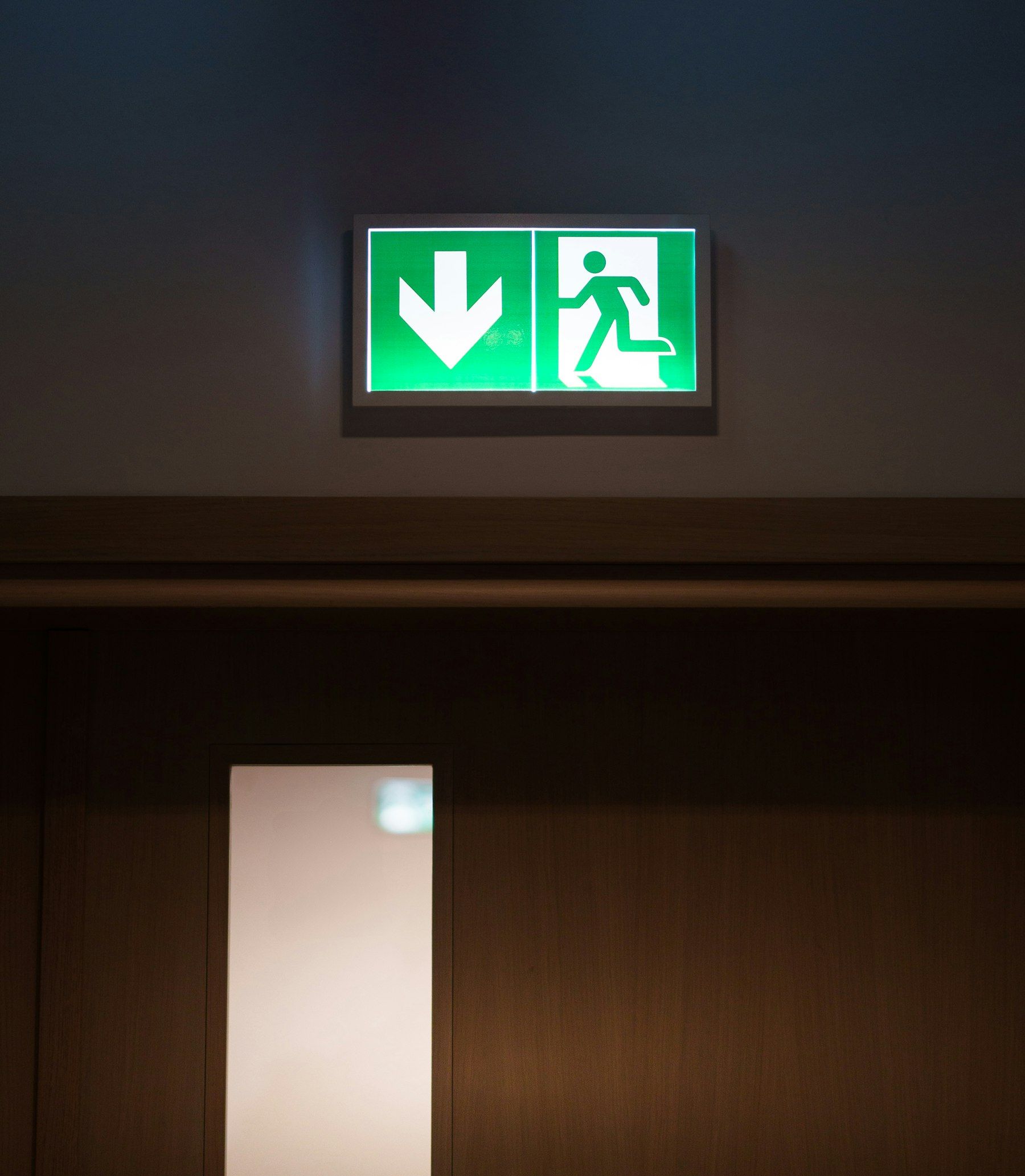
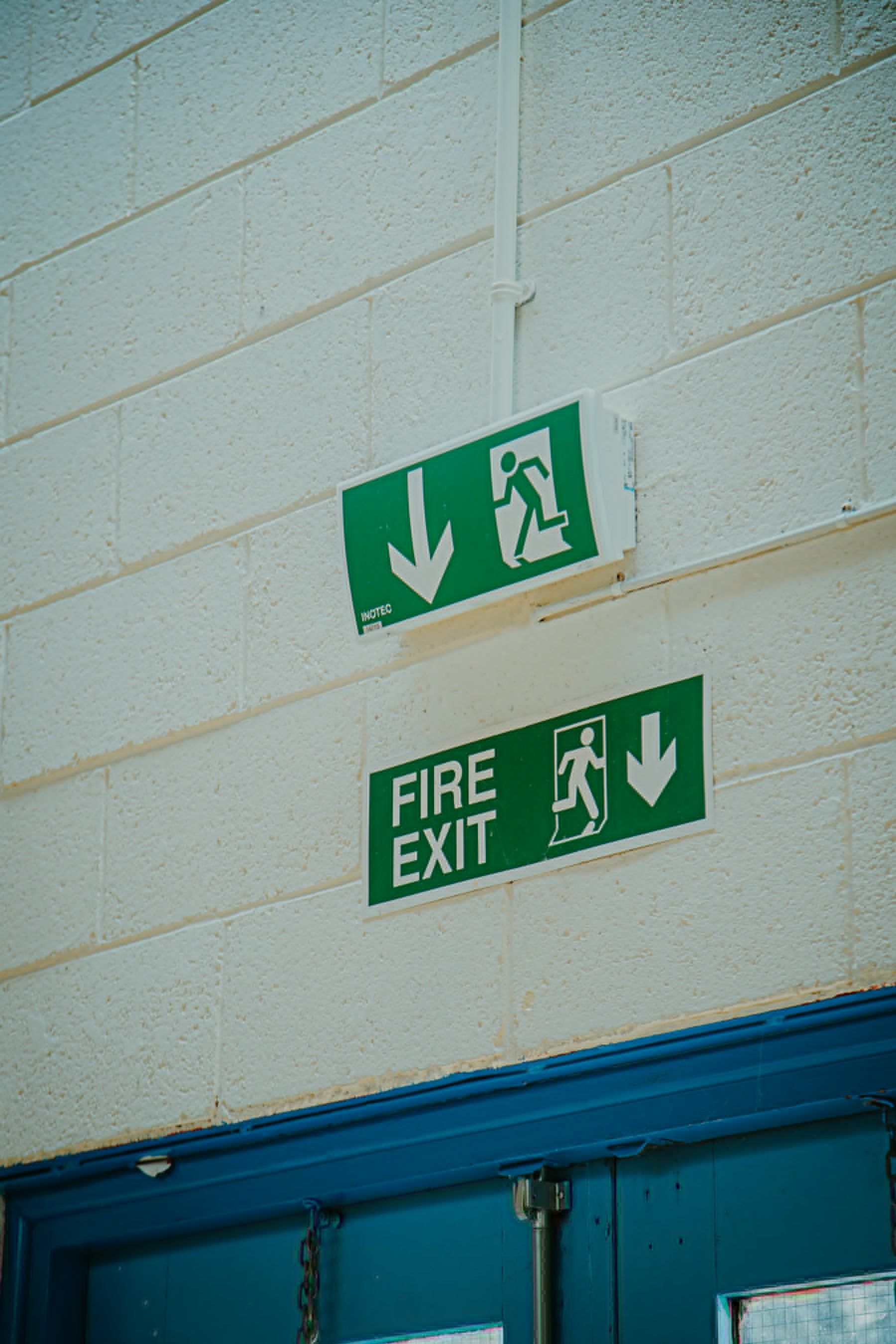
- Exit signage to BS ISO 7010 with correct viewing distances.
- Self-contained LED luminaires, self-test and addressable automatic test systems, and central battery systems for larger buildings.
- External emergency lighting to the place of ultimate safety.
Testing and certification
The standard requires a monthly function test and an annual full-duration test. We carry these out on planned visits, replace failed batteries and lamps on the spot from van stock, and issue a BS 5266-1 certificate with a luminaire-by-luminaire schedule. For self-test and addressable systems we interrogate the controller, verify the automatic results by sample and record them, which is what the enforcing authority expects to see.
Housing and dispersed estates
Monthly visits to hundreds of blocks are a programme, not a job. We plan by geography, manage access with the notice periods your tenancies require, log no-access with photographic evidence, and report block-by-block compliance in the portal. Luminaire counts, locations and battery dates are held as asset data and exported to your register.
Frequently asked
How often must emergency lighting be tested?
BS 5266-1 and BS EN 50172 call for a brief monthly function test of every luminaire and an annual test for the full rated duration, usually three hours, followed by a check that the luminaires recharge. Results are recorded in the logbook and a certificate is issued annually.
Do LED luminaires still need testing?
Yes. The battery is the component that fails, not the LED. Self-test luminaires carry out the monthly and annual tests automatically and show a status LED, but someone still has to inspect and record the result, which is what our visits do.
What is the difference between maintained and non-maintained?
A maintained luminaire is lit at all times and switches to battery on mains failure; typical for exit signs and places of assembly. A non-maintained luminaire only lights on mains failure; typical for offices. The fire risk assessment and the building use decide which.
Can you test emergency lighting across an estate of flats?
Yes. Roughly 5,500 monthly emergency lighting visits a year on some housing contracts are exactly that. We programme by block, give the required notice, and deliver a compliance report and certificate per block per month through the portal.