Schools, colleges and public buildings are asked to have a lockdown procedure. A procedure only works if everyone hears the signal, knows what it means, and can act without waiting for someone to find the right key. We design lockdown systems around the procedure your leadership team has written, using government guidance as the baseline.
What a lockdown system does
- Sounds a distinct, building-wide alert that cannot be confused with the fire alarm or the class-change bell.
- Plays a pre-recorded or live PA message where a voice system exists.
- Locks access-controlled doors automatically and releases them on stand-down.
- Can be activated from reception, from staff fobs or from a smartphone app.
- Logs the activation for the post-incident review.
How we approach it
We start with your procedure and the site’s risk assessment, then survey the building for coverage gaps: outdoor areas, sports halls, plant rooms and mobile classrooms are the usual ones. Where a voice alarm to BS 5839-8 exists, adding a lockdown tone is straightforward. Where it does not, a dedicated system is often less expensive than expected. We commission with a full-building sound test and attend your first drill.
Frequently asked
Why not just use the fire alarm?
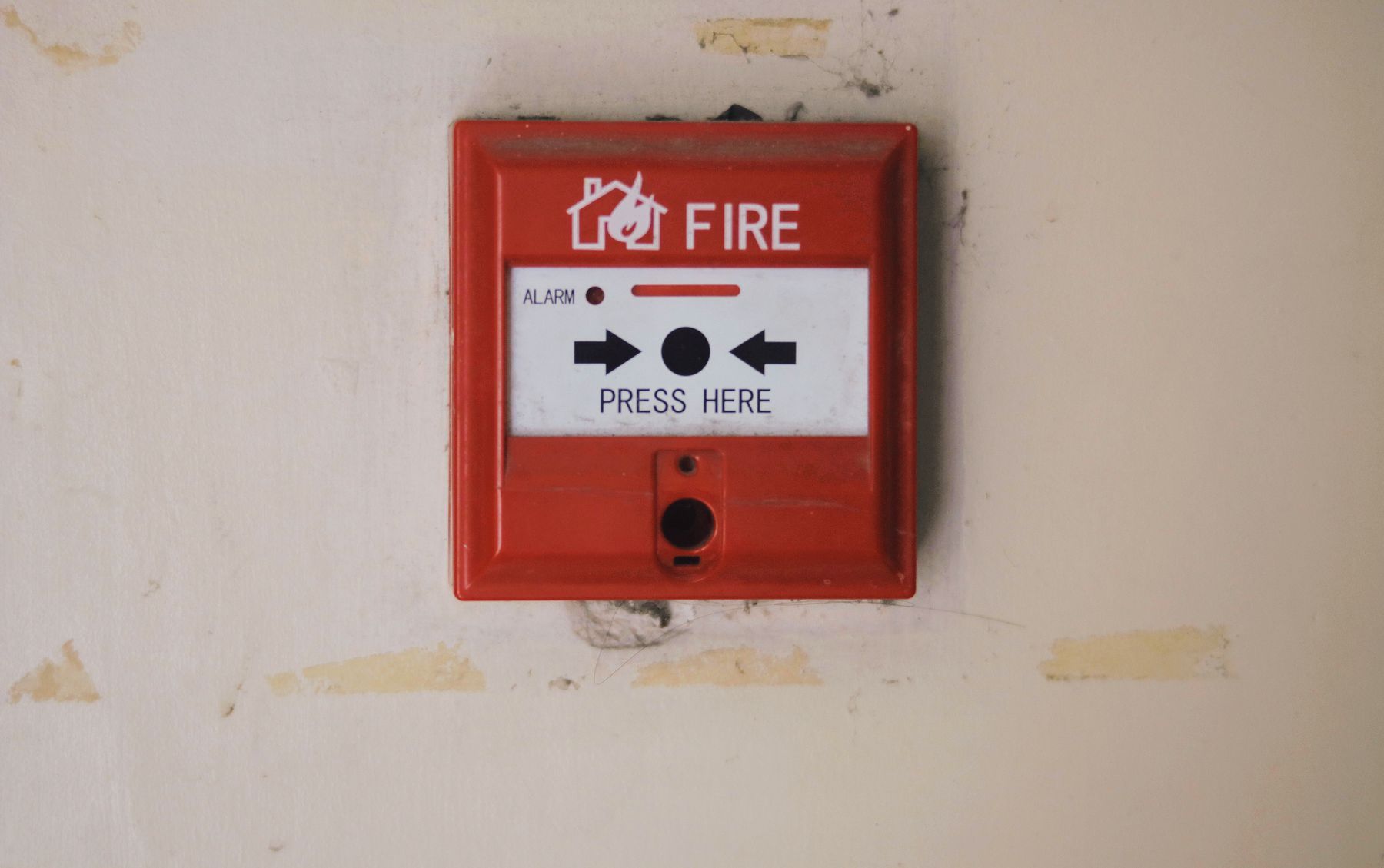
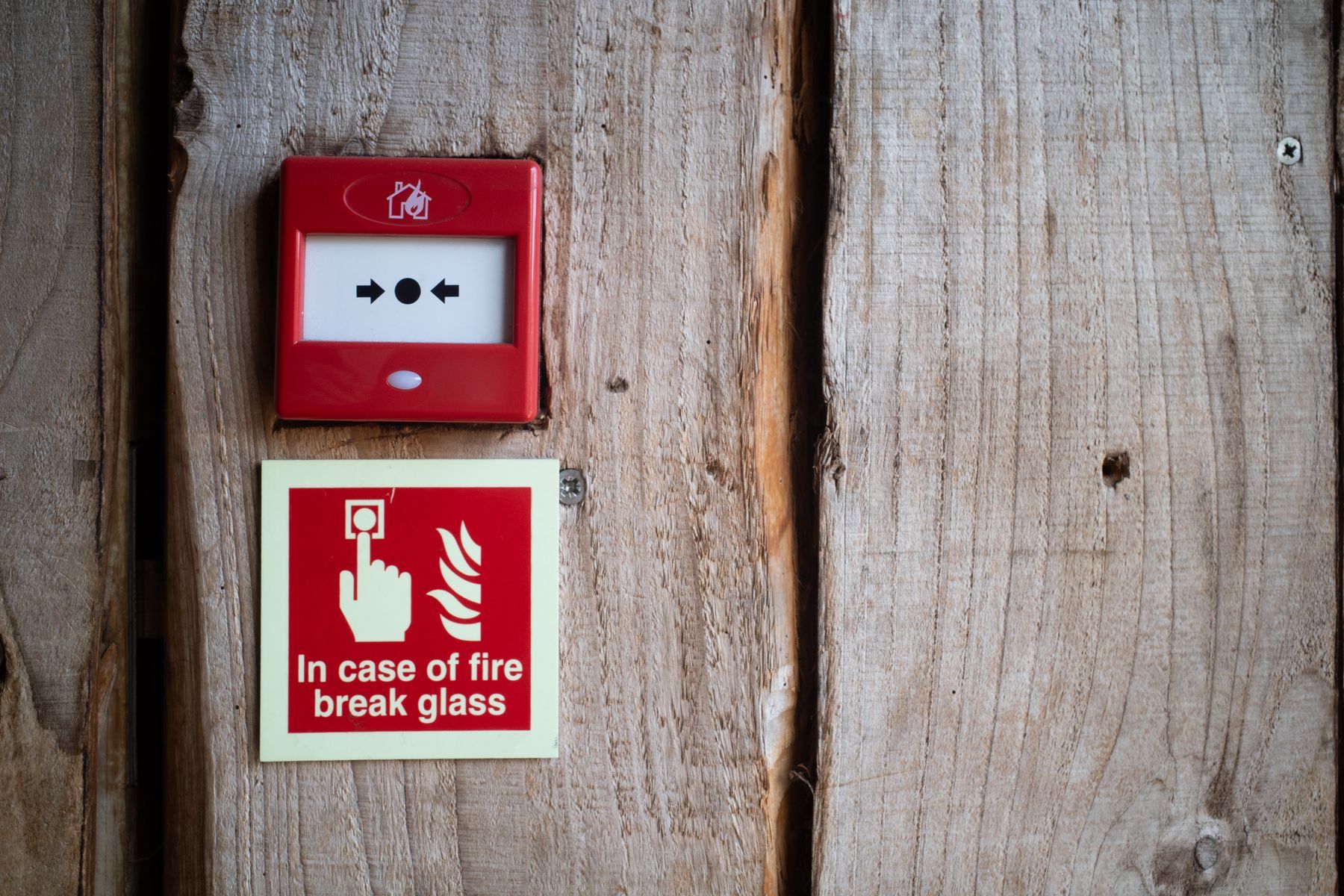
Because a fire alarm tells people to leave the building and a lockdown tells them to stay in and secure the room. Using one sound for both is dangerous. Government guidance is clear that the lockdown signal must be distinct and recognisable to all staff and pupils.
How is a lockdown triggered?
From a secure button at reception, from key fobs carried by senior staff, or from a smartphone app, depending on the site. Activation can also lock access-controlled doors automatically and send a pre-recorded PA message.
Can it work with an existing PA or fire alarm system?
Often, yes. We can add a lockdown tone to a voice alarm system to BS 5839-8, or install a dedicated sounder circuit. We survey first and tell you the cheapest compliant route.
Do you support drills?
Yes. We attend the first drill, help refine the procedure and provide a test log so governors and trustees can see the system is exercised.