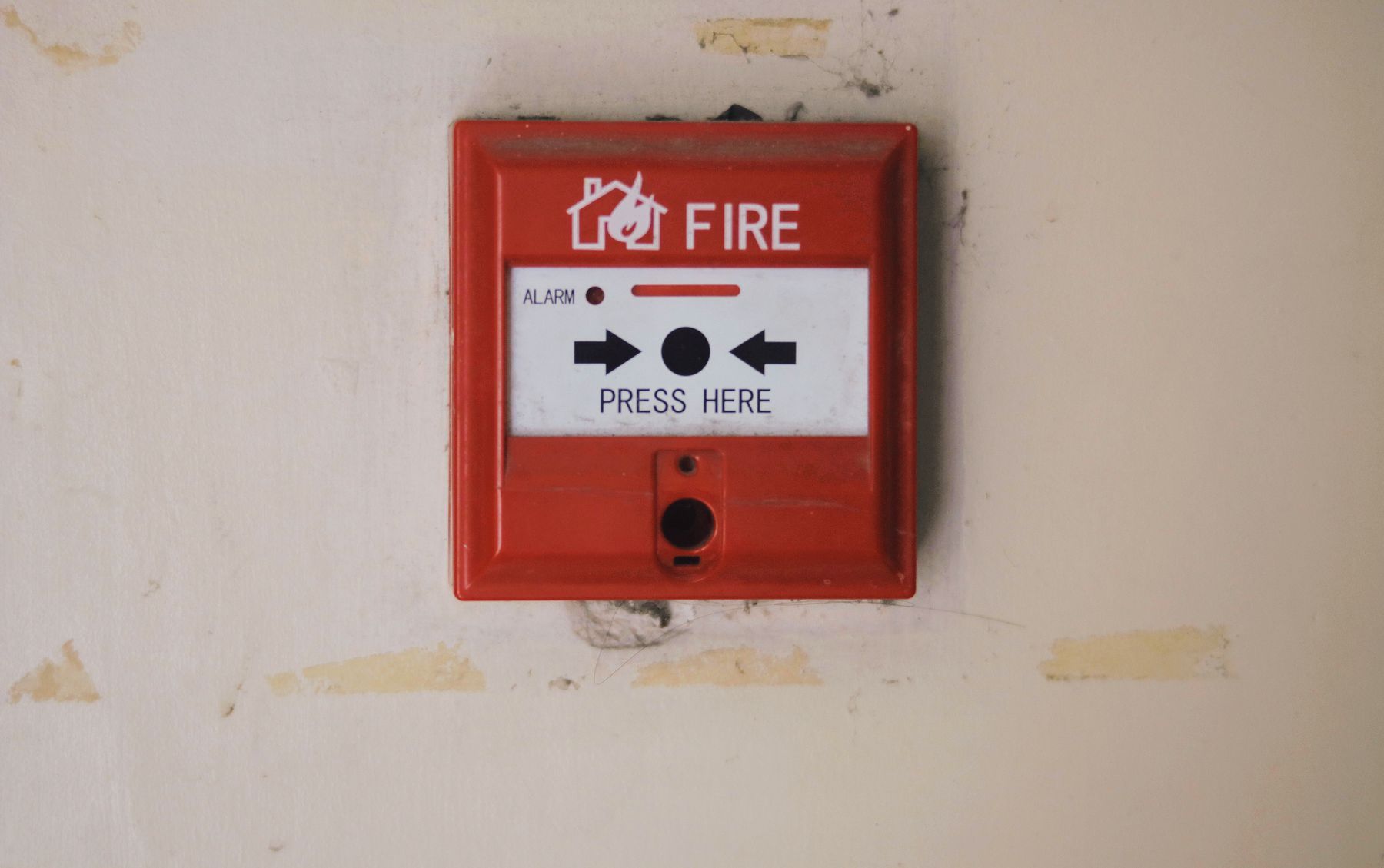
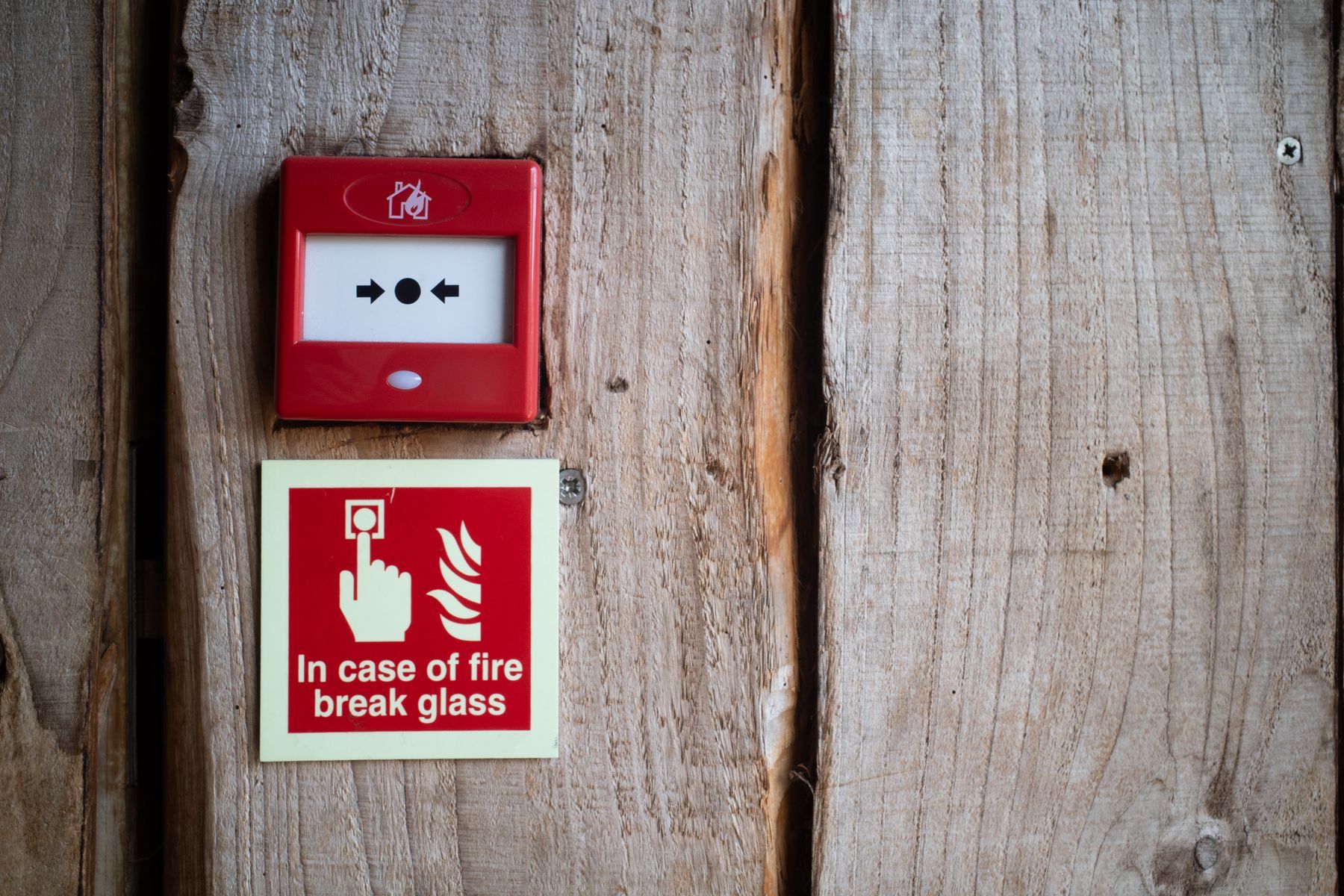
Evacuation only works for everyone if the people who cannot use the stairs have a safe place to wait and a way to be heard. Emergency voice communication (EVC) systems to BS 5839-9 provide that link, and BS 8300 accessible toilet alarms give the same reassurance in day-to-day use.
Systems we install and maintain
- Disabled refuge systems: hands-free Type B outstations at each refuge, linked to a master station at the fire alarm panel or reception.
- Fire telephone systems: Type A handset outstations for fire wardens and firefighters in larger and taller buildings.
- Stadium and venue marshalling: high-capacity networked systems with multiple masters.
- Accessible toilet alarms to BS 8300 with pull-cord, reset, overdoor indicator and optional reception panel.
- Assistance call and staff attack systems where the building risk assessment requires them.
Design points that get missed
Refuge points must be in a protected area, the outstation must be reachable from a wheelchair, the master station must be somewhere that is actually staffed during an evacuation, and the whole thing needs 24-hour battery standby. We see systems where the master is in a locked office. Ours are designed to the evacuation strategy in your fire risk assessment, and we will tell you if that strategy has a gap.
Maintenance
BS 5839-9 calls for a weekly functional test by the user and six-monthly servicing by a competent person. We combine EVC and toilet alarm servicing with the fire alarm visit wherever possible, so you pay for one attendance and receive one set of certificates.
Frequently asked
Where are refuge points required?
Approved Document B requires a refuge on each storey served by a protected stair in buildings where not everyone can evacuate unaided, and BS 9999 expands on this. Each refuge needs two-way communication with the control point so a person waiting for assistance can be spoken to and reassured.
What is the difference between Type A and Type B outstations?
Type A outstations are fire telephones with a handset, used by firefighters and fire wardens in larger buildings. Type B are hands-free refuge intercoms with a call button. Both connect to a master station, usually at the fire alarm panel or reception.
Can the system link to the fire alarm and the lift?
Yes. The master station is normally sited next to the fire alarm panel so that one person can manage both, and the system can be integrated with evacuation lifts and building management where the evacuation strategy needs it.
How are accessible toilet alarms tested?
A pull-cord at the WC triggers a sounder and indicator outside the door and, where fitted, a signal at reception. We test every station on the six-monthly visit and check the reset and the cord condition, which is the commonest failure.